


Kragujevac, Serbia
-
Share


Follow us
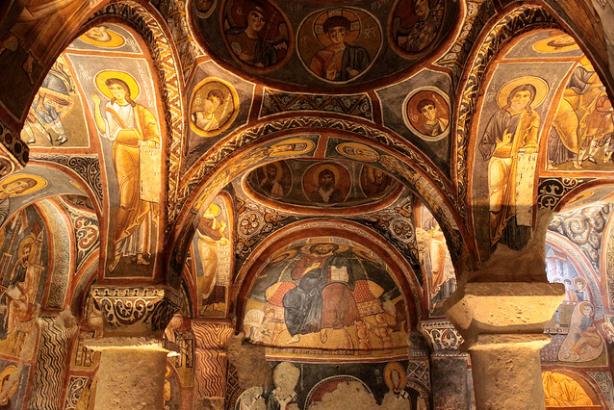
Karanlik Kilise (or the Dark Church) was a part of monastic compound built in the 11th century in Cappadocia,Turkey, a region rich with early Christian history. An elaborate cross-in-square church, carved from the bedrock, Karanlik Klise is a supberb example of a "negative" architecture, created by removing rather than adding material.
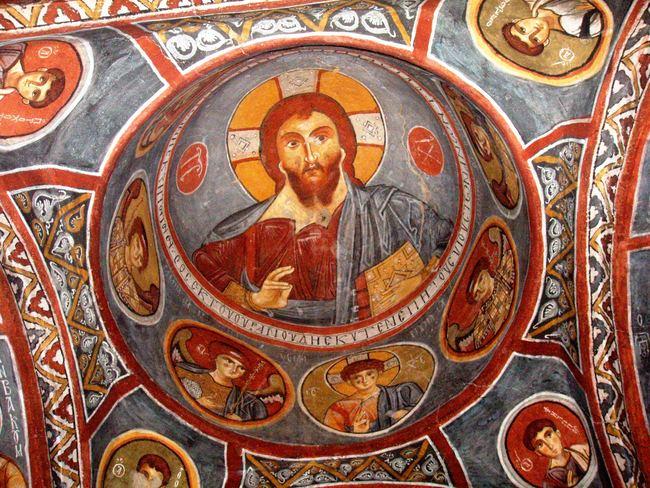
The central dome of Karanlik Kilise shows Christ Pantocrator Photo credit: Nota Kaamouna, Peter Sommer Travels Blog
The people of Goreme in central Cappadocia found that the soft rocks of the area could be easily carved out to form houses, churches, and monasteries. Iconography from the post-iconoclastic period is beautifully displayed in the chapels of the Cappadocian anchorite monastic communities.
The churches and monsteries were maintained by Cappadocian Greek Orthodox Christians until 1923, when the Greek population was expelled and the churches abandoned.
The churches and monsteries were maintained by Cappadocian Greek Orthodox Christians until 1923, when the Greek population was expelled and the churches abandoned.
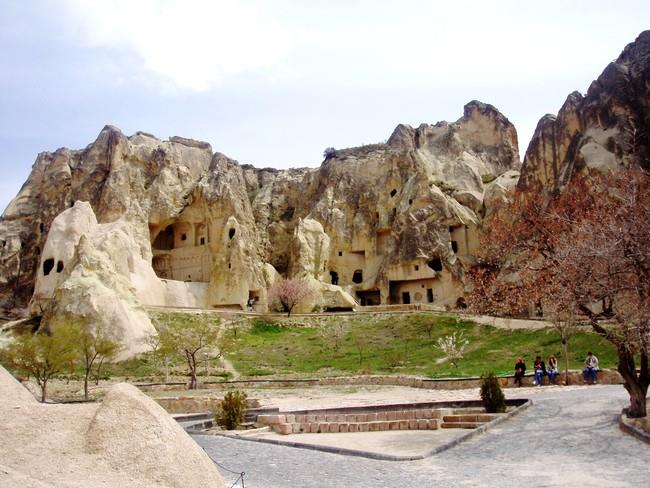
Photo credit: Flickr user kewpiebb99
Photo credit: Nota Kaamouna, Peter Sommer Travels Blog
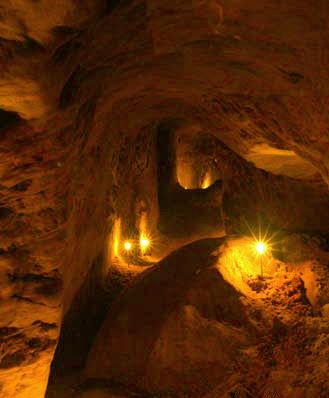
Photo: Varangian caves.at Kiev Pechersk Lavra
Kiev Pechersk Lavra (Monastery of the Kiev Caves) in Kiev, Ukraine was founded in 1051 by Anthony of the Caves and Theodosius.
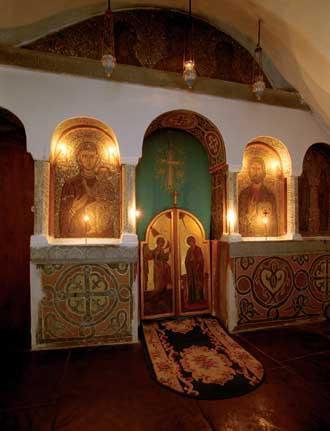
Iconostasis of the 11th century Church of the Annunciation. The iconostasis was reconstructed in the 18th century
Kiev Pechersk cave churches
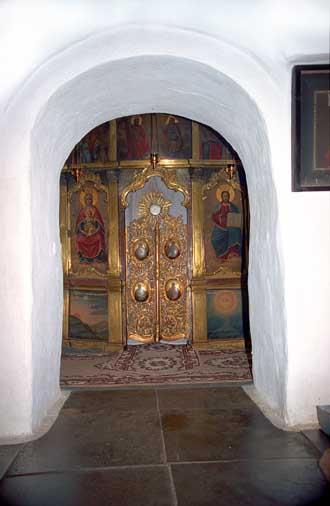
Church of the Nativity (11th century) was the second underground church built at Kiev Pechersk
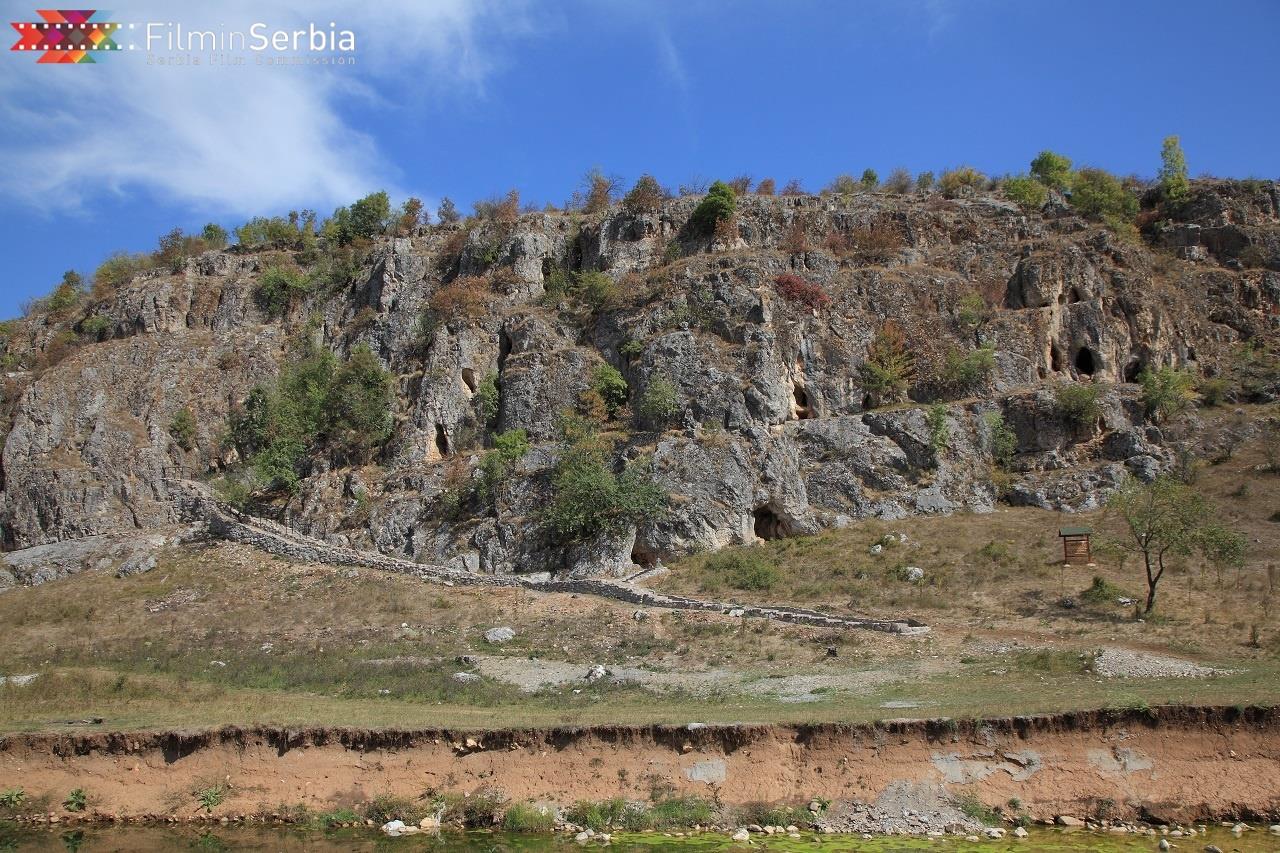
The modest, one-nave church was allegedly used by lead miners. It has been repeatedly burned and destroyed, and has undergone three major renovations, the last one in 1983. The icons and frescoes are believed to be the work of masters from the workshop of Abraham Díčova.
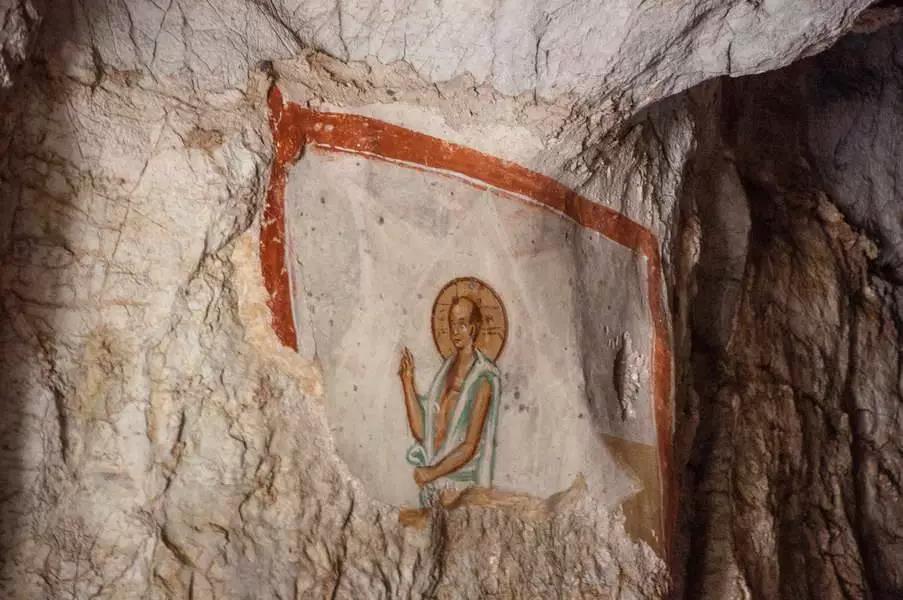
An intriguing "Bald Jesus" fresco is painted on the church's northern interior wall. It is also known as the fresco of the young Jesus' ;likely painted in the middle or second half of the 13th century; when large numbers of Sinai anchorites came to Serbia, during the 14th century reign of Lazar of Serbia.
An intriguing "Bald Jesus" fresco is painted on the church's northern interior wall. It is also known as the fresco of the young Jesus' ;likely painted in the middle or second half of the 13th century; when large numbers of Sinai anchorites came to Serbia, during the 14th century reign of Lazar of Serbia.
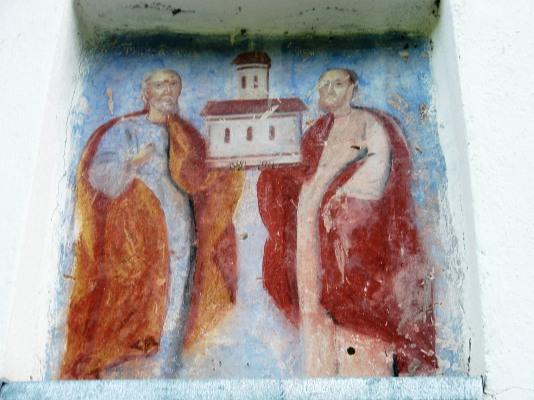
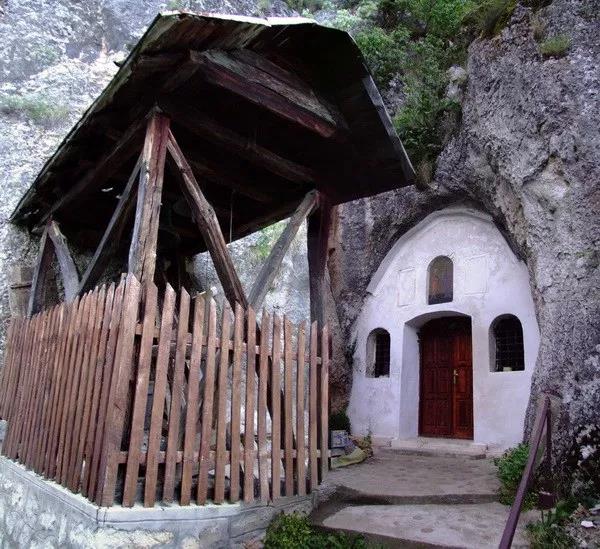
The Church of Holy Apostles Peter and Paul is a Serbian Orthodox cave-church in southern Serbia. it was built by the Serbian King Milutin (1282 - 1321) in the 14th century and is part of the Monastery of St. Archangel Gabriel
-
Share
